
Home / Portable Power Stations
Second line — 12 models
Portable power stations: S and W series
Portable power is the second line of the catalogue, with eleven stations and one solar panel documented model by model. The line is deliberately simple to spec: every model is named for its class, and the record gives the two numbers buyers size against — rated output in watts and battery capacity in watt-hours. The table below is the complete line as catalogued.
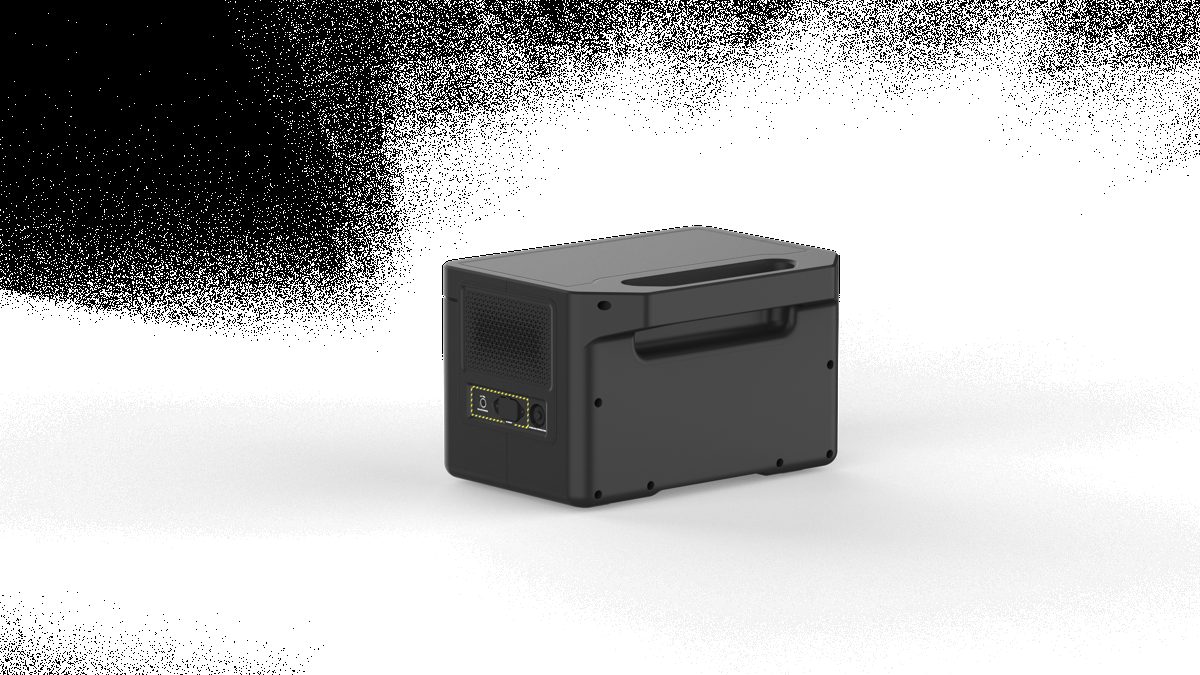
Complete portable power line — rated power and capacity from the product records
| Model | Series | Rated power | Battery capacity |
|---|---|---|---|
| S03 Pro | S | 600 W | 512 Wh |
| S012 | S | 1,200 W | 992 Wh |
| S015 | S | 1,500 W | 1,488 Wh |
| S1 | S | 2,000 W | 1,024 Wh |
| S024 | S | 2,400 W | 2,232 Wh |
| S2 | S | 2,500 W | 2,048 Wh |
| S3 | S | 3,600 W | 3,072 Wh |
| W3 | W | 3,600 W | 3,072 Wh |
| S5-N | S | 4,000 W | 5,040 Wh |
| S5-E | S | 5,000 W | 5,040 Wh |
| W5 | W | 5,000 W | 5,040 Wh |
| Solar Sun 220 (panel) | Solar panels | 220 W | 20.5 V panel |
Reading the line
Three sizing bands cover most programmes. The entry band (S03 Pro, S012, S015) suits camping, stalls and light backup. The mid band (S1, S024, S2) covers heavier portable loads and longer runtime at the same capacity class. The top band (S3, W3, S5-N, S5-E, W5) is whole-room and worksite territory, with 3,072 Wh and 5,040 Wh capacities. The buying guide walks through sizing a load list against these figures, and the solar generators page covers pairing stations with the Solar Sun 220 panel.
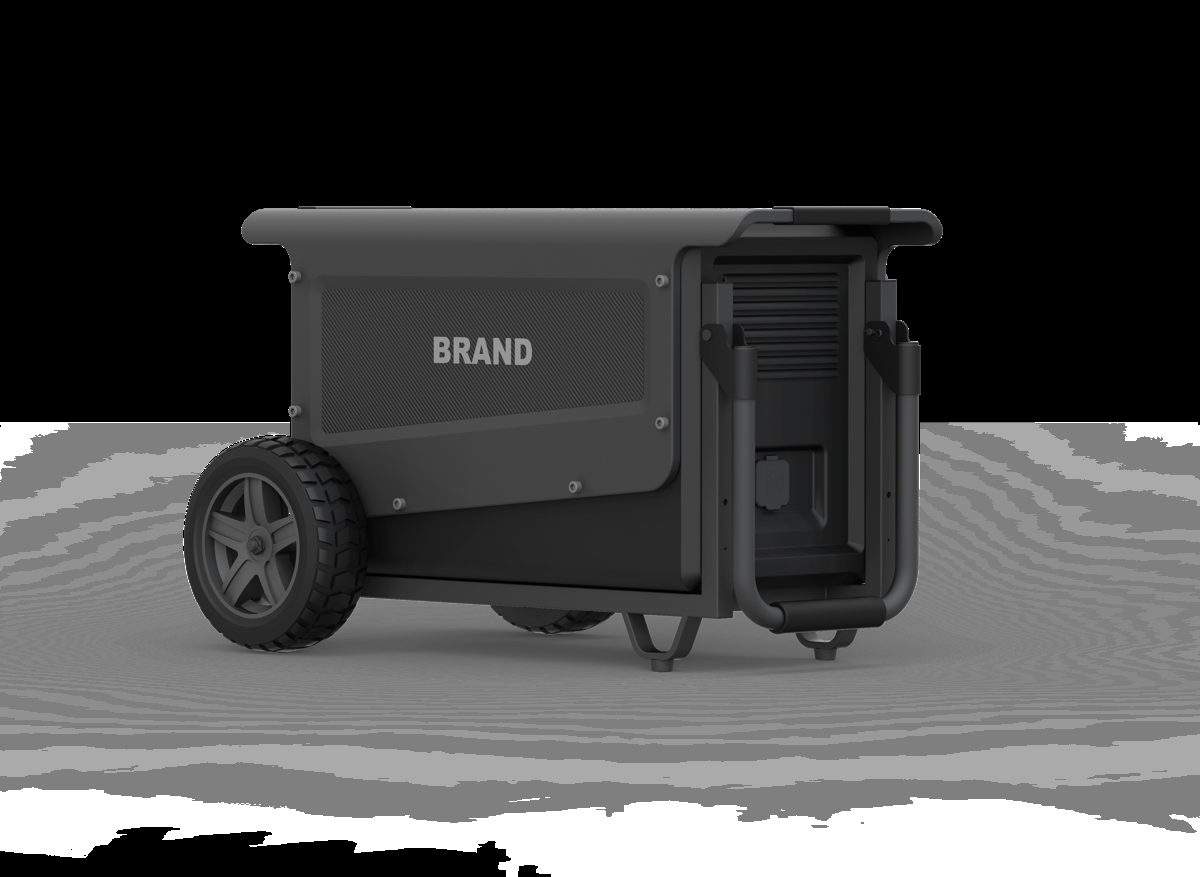
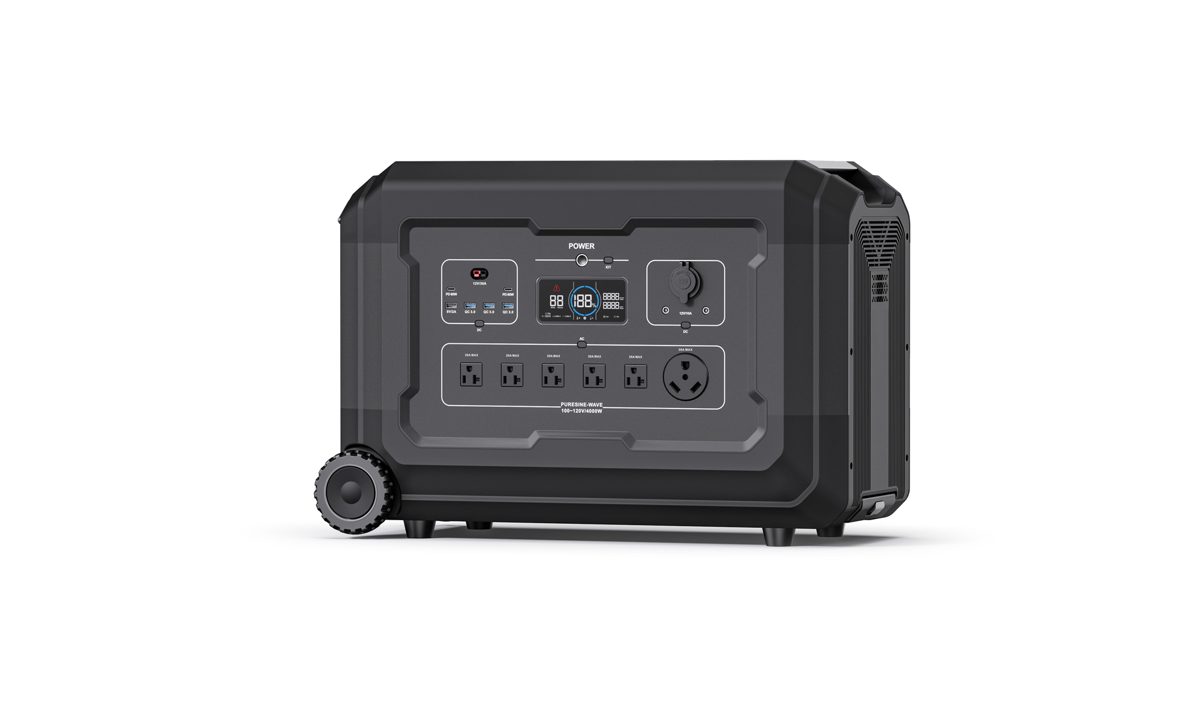
Matching stations to channels
The eleven-model spread is a channel map as much as a product range. The 512–992 Wh band is the e-commerce and camping channel — light enough to ship singly, priced for retail baskets. The 1,024–2,232 Wh band is the home-backup core, where the purchase is researched and the load list decides. The 3,072–5,040 Wh band serves prosumers, small commercial backup and off-grid worksites, channels where the buyer arrives with a spreadsheet rather than a wishlist. A distributor programme that tries to stock all eleven learns the range's real lesson: two or three well-chosen capacities per channel outsell a wall of options, because the buyer's question is never 'which of eleven' but 'which of these two fits my list'. The enquiry route reflects that — send the load list, and the pairing comes back as a short recommendation rather than a catalogue dump.
Fleet and rental use
Beyond household backup, the mid and upper bands of the range are increasingly bought as fleets: rental companies issuing stations for events and film shoots, facility teams holding backup capacity for branch sites, and field-service operations powering tools and instruments away from mains. Fleet buying changes the specification conversation — standardising on one or two capacities simplifies charging infrastructure, spares and user training, and the per-unit conversation gives way to availability and replacement terms. The range's eleven capacities are best read with that lens: a fleet buyer chooses the two capacities that cover ninety percent of deployments and lets the long tail go, rather than scattering units across the catalogue.